Showing posts with label Christian holidays. Show all posts

Sunday, April 1, 2018

Easter Traditions

Since I already did a post about Holy Week, the post today will focus on traditions, specifically in the US and a few European countries.

United States

As somebody that has lived in the Midwest US my entire life, this is the part where I am the most knowledgeable before research.

Probably the biggest Easter tradition in the US is the "Easter Bunny" delivering a basket of treats on Easter. The baskets typically have candy in plastic eggs, chocolate rabbits, and some small toys and/or gifts. Families will even dye hard boiled eggs for Easter and you can buy kits of dye at stores like Target or Walmart.

Some small towns hide eggs in a local park for an Easter Egg hunt. It's also a common thing for families to do in their own yard, also.

At the US White House, the annual Easter Egg Roll has been an Easter tradition since 1878.

Scandanavia


PÄskekrim (Easter crime) is a Norwegian Easter tradition that may surprise you. It's a tradition of reading mystery books and/or watching detective shows or movies.

It's also common for Norwegian families to escape into the mountains for a week over Easter in a ski cabin. While at the cabin, playing games like Yahtzee is a popular tradition.

In neighboring Sweden, it's traditional for children to wear old, discarded clothing to dress up as Easter witches in the days before Easter and go from home to home trading paintings and drawing for sweets. There's a similar tradition in Finland, children dress up as witches, and go around begging for chocolate.


Italy

In Florence, Scoppio del Carro (explosion of the cart), has been an Easter tradition for over 300 years. The locals pack an ornate cart with fireworks and lead the cart through the streets while wearing costumes from the 1500s. After stopping outside of the Duomo, the Archbishop of Florence lights a fuse during mass that leads outside to the cart.

In the town of Panicale , locals gather the day after Easter to roll huge wheels of Ruzzola cheese around the town's perimeter in a tradition they refer to as Ruzzolone.

In Sicily, Abballu de daivuli is a tradition where locals wear red robes along with masks to represent devils. Those dresses up in the costumes then pester as many "souls" as they can. (By pestering souls they mean make people pay for drinks.) In the afternoon, people dressed as the Virgin Mary and the risen Jesus, send the devils away with the help of people dressed as angels.

  • Mental Floss article on the origins of some Easter traditions
  • My Little Norway post from 2010 on traditions 
  • Explore Italian Culture post on traditions

Sources

  • HuffingtonPost.com post from 2009
  • Woman's Day post from 2018
  • Reader's Digest post

Sunday, March 25, 2018

Holy Week

To Christians, Holy Week begins on Palm Sunday, and runs the entire week through Easter the following Sunday. It's a week to celebrate the part of the Jesus story that begins with him entering Jerusalem for the last time, his betrayal, trial, crucifixion, and rising from the dead.  Easter (along with Christmas) are the two main religious holidays in the Christian tradition.

The date for the week is established based on the date of Easter, which is determined by a combination of the season and the status of the moon. The council of Nicea declared Easter Sunday to be the first Sunday after the first full moon on or after the vernal equinox (aka first day of spring.) That is still how the date is determined among non-Orthodox Christian churches.

Palm Sunday (or Passion Sunday)

Source
Palm Sunday is the last Sunday before Easter, and kicks off Holy Week. The church services that day read the story of Jesus coming into Jerusalem that's recorded in Matthew 21, Mark 11, Luke 19, and John 12. During services, parishioners are given palm branches to wave.

The history of celebrating the day is uncertain, but there are records of the day being celebrated as early as the 4th century in Jerusalem, and the 9th century elsewhere.  


Maundy Thursday (or Holy Thursday)

Source
Maundy Thursday is the Thursday before Easter.  Out of the days of Holy Week covered here, Maundy Thursday is the one that is mostly likely to not be understood  by the average Christian.

Maundy Thursday is believed to be the day Jesus Christ celebrated his last Passover. (My post on Passover will go up later this week.)  According the the Biblical story, his last Passover is when Jesus washed the feet of his disciples (an act of humility), commanded his disciples to do the same with each other, and commanded his disciples to love each other.


Good Friday

Source
Good Friday is the Friday before Easter and the day Christians believe Jesus was hung on the cross until dead.

In church services held on Good Friday, it's traditional to not serve communion as it's a day of sorrow and communion is seen as a celebration. It's also traditional to remove ornamentation on the altar and cover both the altar and the cross in black to signify death.

It's also not uncommon for some churches to have Stations of the Cross during their service, where each station symbolizes a part of the arrest, trial, and crucifixion in the story of his death.

Easter Sunday

Source
To Christians, Easter Sunday is believed to be the day that Jesus rose from the dead, making it a day of great joy for Christians.

In many churches, it's customary to have what is called a "sunrise service" in the early morning (ex. 6 am). For churches that have that and the Good Friday service mentioned above, this service starts off dark, then the black covering the altar and cross are removed and the ornamentations replaced. Simultaneously, the lights in the sanctuary (or nave) are brightened to symbolize Jesus rising from the dead.

There are many ways to celebrate the day. One common way Christians celebrate is to get together with their family and enjoy a meal together. Lamb is common as the meat for the meal because Christians see Jesus as the "lamb of God." However, ham is traditional in my family, and I'm sure many others.


Sources

Sunday, January 7, 2018

Orthodox Christmas

I decided I'm going to go through the year writing posts about each of the holidays for Christians, Jews, & Muslims. Each post will give a brief overview of the holiday, including what the holiday celebrates and how people celebrate. I'll even include where for holidays like today's that are primarily in specific areas/countries. My sources will be included at the bottom on each post for anyone that wants to check my sources, or get some more information.
Source
Today, January 7th, is Christmas Day in many Eastern Orthodox Christian churches. The difference in dates between the Orthodox Christmas and Christmas for non-Orthodox Christians is a result of using different calendars. Most of the world has adopted and follows the Gregorian calendar (proposed 1582), while the Christian Orthodox church still uses the Julian calendar (created 45 BC). The 2 calendars differ by 13 days, resulting in Orthodox Christmas being 13 days after Christmas for the rest of Christianity and Epiphany being on January 19th vs January 6. Some Orthodox churches have adopted a version of the Julian calendar that puts Christmas on December 25, but not all. For example, 85% of Orthodox Christians in Russia celebrate Christmas today.

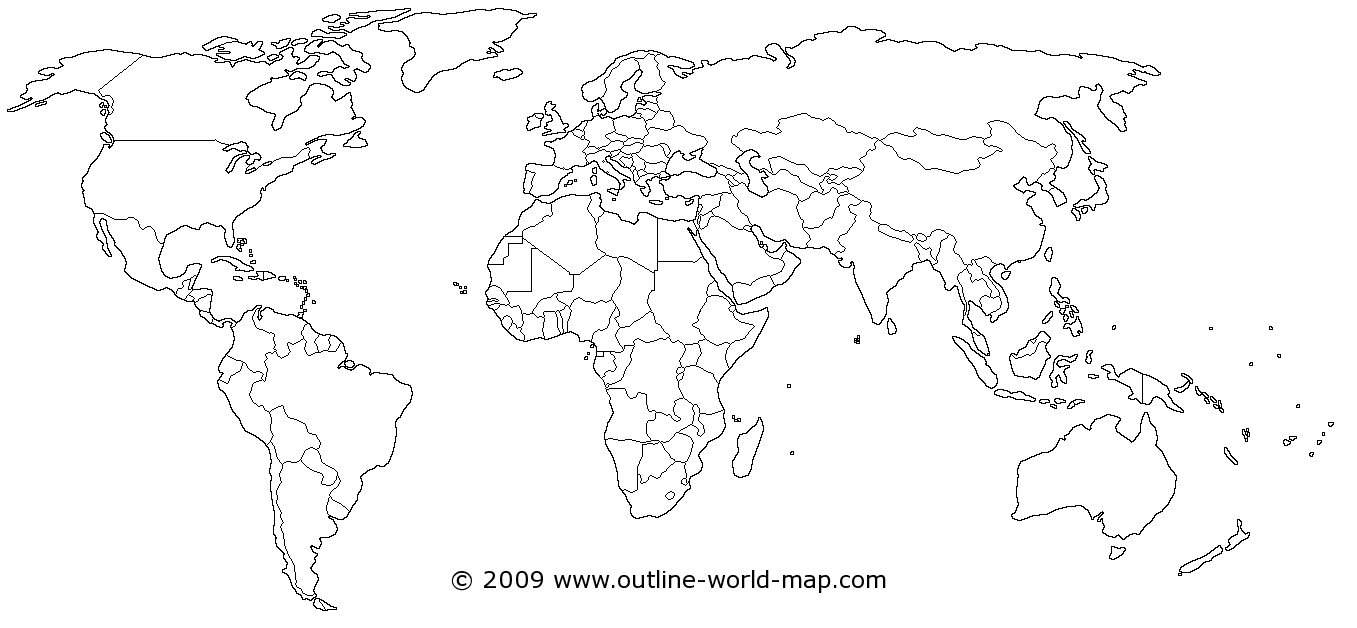
The Orthodox Christian churches that celebrate Christmas today are primarily in Belarus, Bulgaria, Egypt, Eritrea, Ethiopia, Georgia, Israel, Kazakhstan, Macedonia, Moldova, Montenegro, Russia, Serbia, and Ukraine. The map below shows the location of each country in yellow.
Source of blank map

The story that is celebrated at Christmas is pieced together from 2 different accounts in the books of Matthew and Luke in the Bible (Christian holy book). That story is the story of Jesus's birth. Christians see Jesus as the son of God, who was born to a virgin named Mary. Mary was engaged to a man named Joseph, who was also a carpenter. Luke contains the story of an angel visiting Mary to tell her she was to give birth to Jesus, as well as the story of Mary and Joseph travelling to Bethlehem and shepherds being led to the manger that was used as newborn Jesus's cradle. While Matthew contains the story of wise men following a star to see baby Jesus and present him with gifts of gold, frankincense, and myrrh.

The date of Christmas was set in the 4th century C.E. (previously known as AD) by Pope Julius I in an attempt to Christianize the pagan festivals that already took place around the winter solstice. From these pagan festivities came some of the traditions celebrating Christmas that Christians still follow today, including decorating the home in greenery and gift giving from the Roman Saturnalia.
Source

The Christmas season is celebrated a little differently in the western, non-Orthodox Christian churches and the Eastern Orthodox churches. For starters, the Eastern Orthodox church doesn't have Advent. Instead they fast for the 40 days before Christmas and a very strict fast on Christmas Eve (Jan. 6). The fast is from meat and dairy, but the strict fast on Christmas Eve is from everything but water. Also, the Christmas Eve service begins with singing of the Royal Hours. The traditions of a Christmas tree and gift giving are commonly shared among Orthodox and non-Orthodox Christians however.

Want more information on some aspect, here's the links I found for you.


Sources